What Happens When a Volunteer is Injured While Performing Duties for Your Nonprofit?
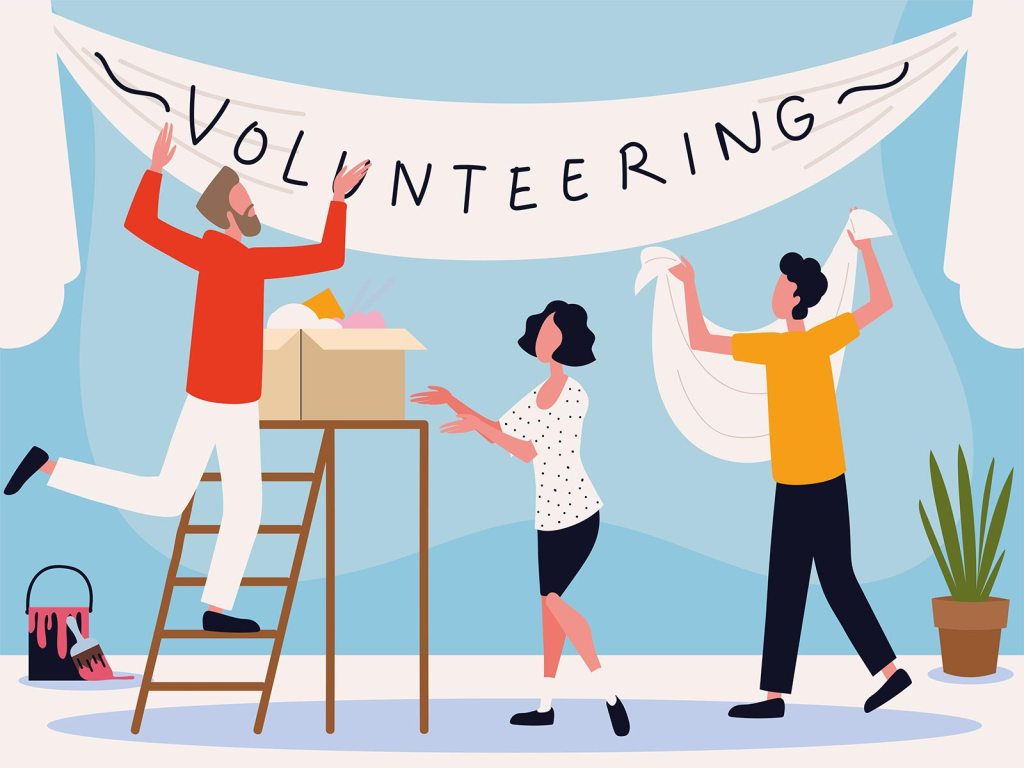
If your nonprofit relies on volunteers, there’s a coverage gap sitting quietly in your insurance program that you need to know about. It doesn’t show up until someone gets hurt. And when it does, the financial and human cost lands directly on the people who showed up to help.
When a volunteer twists an ankle setting up the registration booth at a conference, pulls out their back hauling paint buckets for a community service project, or suffers a fall while holding on to the finish line rope at your PTO fun run, your workers’ comp policy will not respond. Workers’ comp is a statutory employee benefit. Volunteers aren’t eligible since they are not considered employees. Further, if you’re like a lot of small nonprofits, you don’t have employees, or the need for workers comp coverage in the first place.
What happens next depends entirely on whether you have Accident Insurance in place.
Without Accident Medical Insurance: The injured volunteer is left to absorb the cost through their personal health insurance, including deductibles, copays, and any expenses their plan doesn’t cover. If they don’t have health insurance, the situation is worse. And in either case, your organization may face pressure, goodwill damage, or worse, a lawsuit from someone who came to help.
With Accident Medical Insurance: Benefits are paid on a no-fault basis directly for medical expenses arising from the injury. The volunteer is made whole. The organization is protected. And your General Liability Insurance policy is spared.
WHO IS ACTUALLY COVERED
It’s Not Just Volunteers, It’s Your Participants Too
Accident Medical Expense (AME) coverage is designed to cover two groups that most nonprofits regularly put at risk without realizing it:
1. Volunteers
Anyone who donates their time to support your organization’s mission falls into this category. The list is longer than most executive directors think:
- Event setup and teardown crews at conferences, galas, festivals, and fundraisers
- Cleanup crews at parks, trails, and community spaces
- Board members and committee volunteers at in-person meetings and retreats
In each scenario, there is real physical exposure.
2. Participants and Program Beneficiaries
This is the category that surprises most nonprofit leaders. Accident Medical Insurance can also extend to the people your organization serves — the participants in your programs, not just the people running them.
Think about the kinds of nonprofits where this matters:
- Arts and performance programs with physical rehearsal or staging risks
- Dog Club agility course programs or competitions with owner involvement
- 5k or fun runs for PTO and PTA groups
Accident coverage fills gaps cleanly, without the friction of a liability claim.
HOW IT WORKS
No Fault, No Litigation, No Delay
One of the most valuable features of Accident Medical Insurance policy is how it pays. Unlike liability insurance, which requires establishing fault and often involves attorneys, negotiation, and time, accident medical coverage is a no-fault benefit. If a covered person is injured during a covered activity, the policy pays for the resulting medical expenses. That’s it.
Coverage typically includes:
- Emergency room and urgent care visits
- Hospital stays and surgical costs
- Follow-up medical treatment and physical therapy
- Ambulance and emergency transport
- Dental treatment resulting from a covered accident
- Accidental Death & Dismemberment (AD&D) benefits
Because the policy works on an excess basis, meaning it picks up costs that exceed or fall outside the injured person’s own health insurance, it fills the gaps that personal coverage leaves behind. Deductibles, copays, out-of-network charges, and uncovered treatments can all be addressed through the accident policy. What if the injured party has no primary medical coverage at all? Accident Medical steps in to pay for covered injuries there as well. In a day and age when medical costs are escalating fast, some people are going without medical coverage, or they’re taking high deductible plans, both of which make AME benefits more important.
And critically, this coverage helps protect your General Liability policy. When a volunteer or participant is injured and has a clear path to medical expense reimbursement through your accident policy, they are far less likely to pursue a formal liability claim against your organization. That keeps your GL premium healthy and your claims record clean.
A quick example:
A volunteer at your nonprofit’s annual charity walk rolls her ankle stepping off a curb and requires an ER visit, X-rays, and a follow-up with an orthopedist. Total cost: $2,400. Her health insurance covers $1,100 after her deductible. The remaining $1,300 would otherwise come out of her pocket — or she might look to your organization to cover it.
With Accident Medical Insurance in place, the policy covers the $1,300 gap. The volunteer is whole. No hard feelings. No liability claim. No attorney. And your relationship with one of your most committed supporters is preserved.
BOTTOM LINE
Your Volunteers Deserve the Best
Volunteers are the backbone of the nonprofit sector. They staff your events, run your programs, serve on your board, and show up when you need them most. The least an organization can do is make sure that if something goes wrong while they’re serving your mission, they’re not left holding the medical bill.
Workers’ comp will not help them. Their personal health insurance may not be enough. But an Accident Medical Insurance policy, bundled with your existing nonprofit insurance program, creates a clear, fast, path to making them whole.
Protect Your Volunteers. Protect Your Organization.
Accident Medical Insurance for Nonprofits.
No-fault coverage for volunteers and participants.
Bundled with your existing nonprofit insurance program.
Available in all 50 states
Need help choosing coverage?
1-800-567-2685